
Multi Fit Wheel Spacers
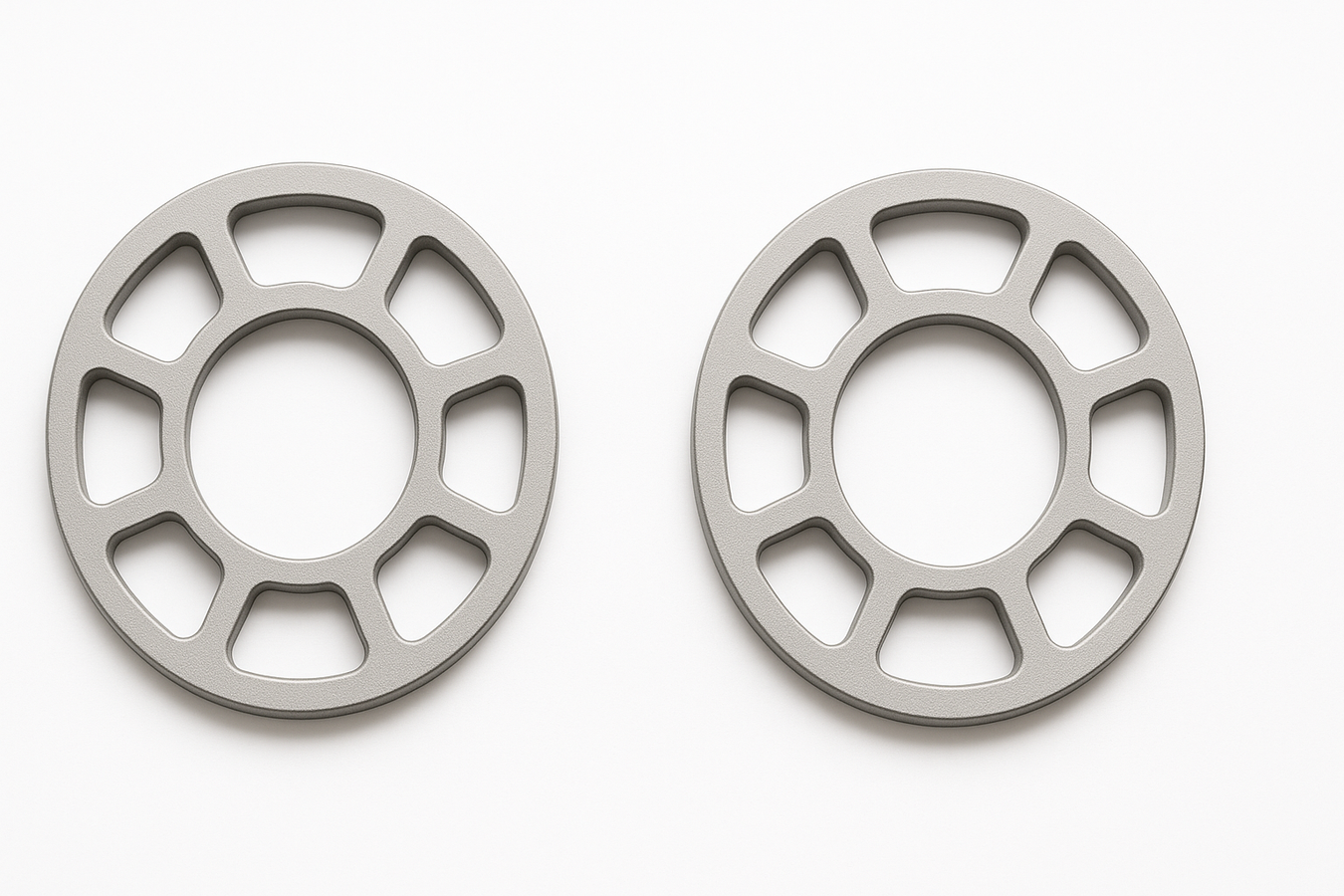
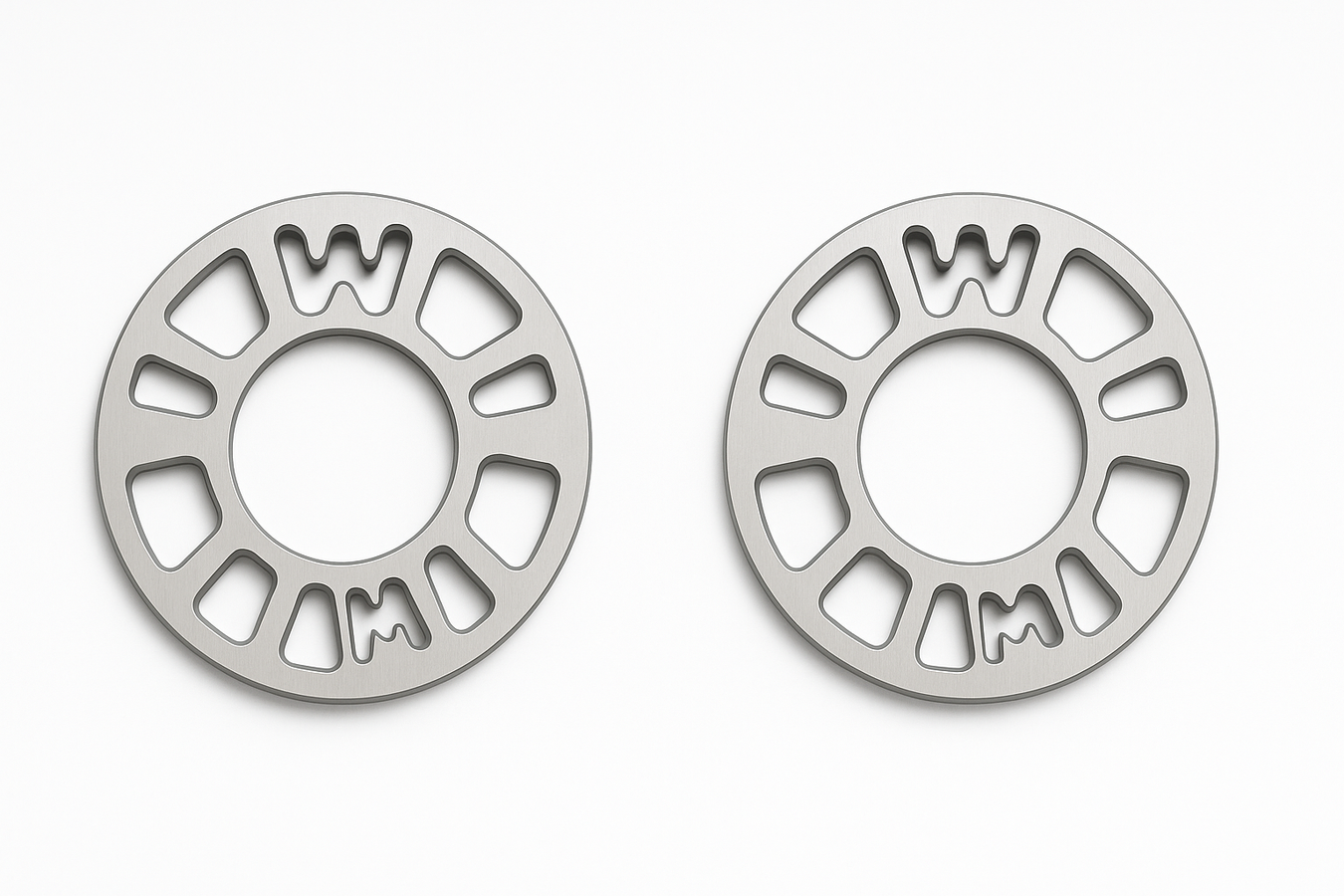
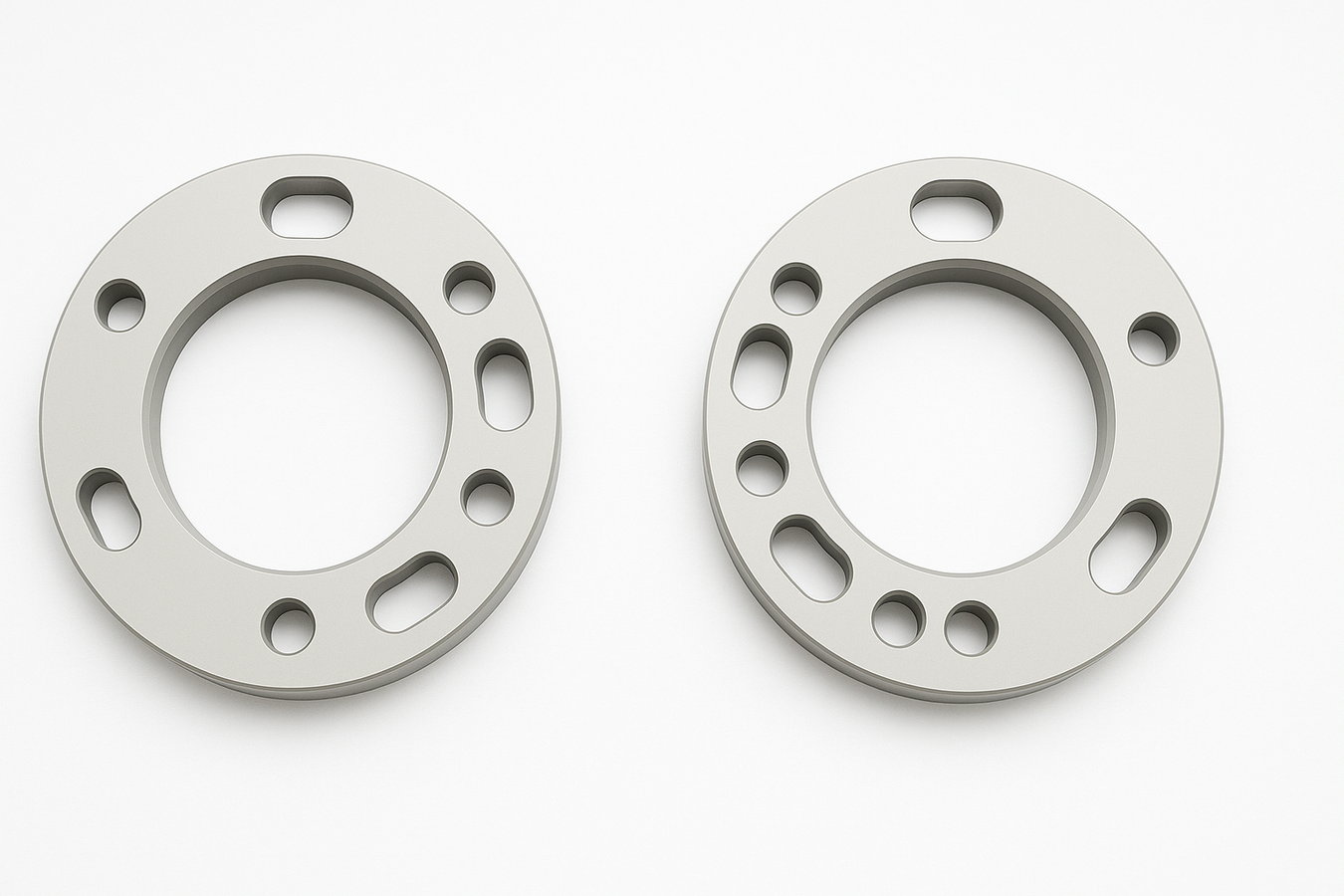
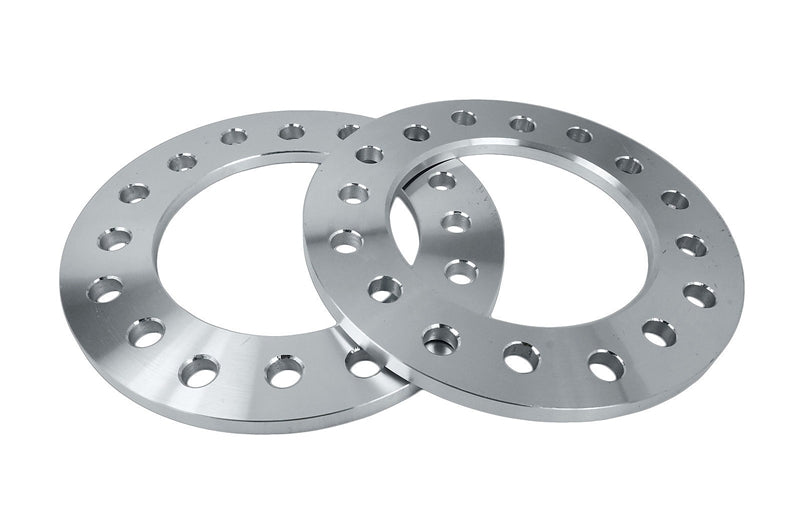
Hub Centric Wheel Spacers
-

-
-
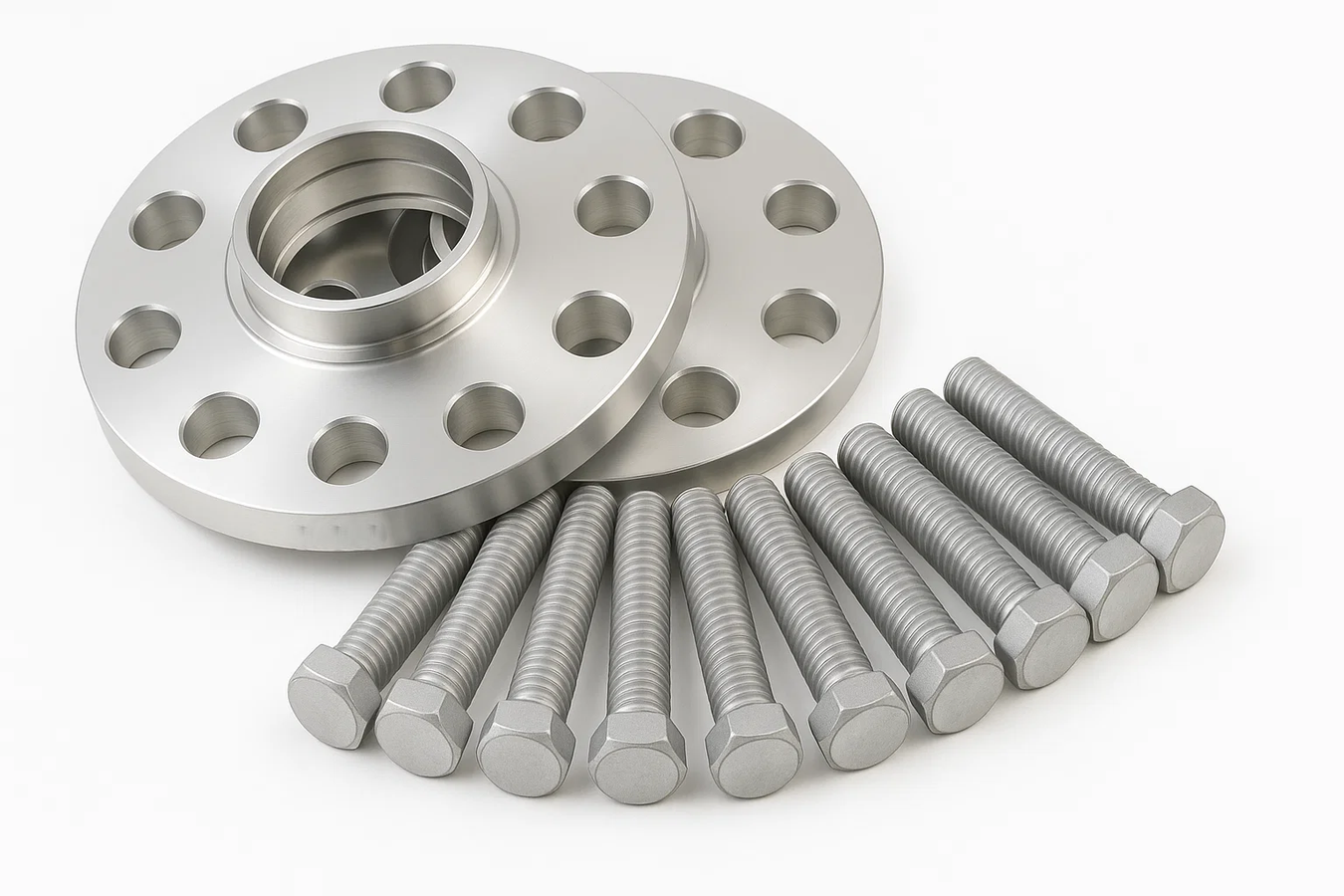

Wheel Spacers
Wheel Spacers: Push Out for Clearance, Stance, or Wider Wheels
A wheel spacer pushes your wheel further out from the hub. Useful for clearing larger brake calipers, getting a wider stance, or fitting wheels with a different offset than your vehicle was designed for.
Spacer buying guide & common questions
Two types: pick the right one
- Hub-centric spacers: bolt to your hub via a centering bore, then your wheel bolts to the spacer. Recommended for daily driving and high-speed use; eliminates wheel vibration.
- Lug-centric (slip-on) spacers: slide over the studs between hub and wheel. Simpler, cheaper, fine for slow-speed off-road, ATVs, and trailers.
Bolt patterns we stock
4x100, 4x10⁸, 4x110, 4x114.3, 4x137, 4x156, 5x100, 5x114.3, 5x115, 5x120, 5x127, 5x130, 5x135, 5x150, 6x114.3, 6x120, 6x135, 6x139.7 (6x5.5), 8x6.5, 8x170, 8x180, 8x210, and more. Vehicle fits for Mercedes, BMW, Audi, VW, Porsche, Chevy, Ford, Dodge, Toyota, Honda, Nissan.
Thicknesses: 1/4", 5/16", 3/8", 1/2", 5/8", 3/4", 1", 1.25", 1.5", 1.75", 2"
Common questions
Are wheel spacers safe? Quality hub-centric spacers, installed at proper torque, re-torqued after 25 to 50 miles, with full stud engagement, are generally safe for street use. The failures you hear about almost always trace to lug-centric spacers on the street, wrong torque, or studs that are too short. Full safety guide →
What thickness do I need? Measure how much clearance you need (caliper-to-wheel, or wheel-to-fender for stance) and pick the smallest spacer that achieves it. When in doubt between two sizes, call us, (800) 505-8758.
Spacer or adapter, what's the difference? A spacer keeps your bolt pattern and just adds offset. An adapter changes the bolt pattern (and adds offset as a side effect). If your new wheels match your hub's pattern, you want a spacer.
Ships from our Los Angeles warehouse.
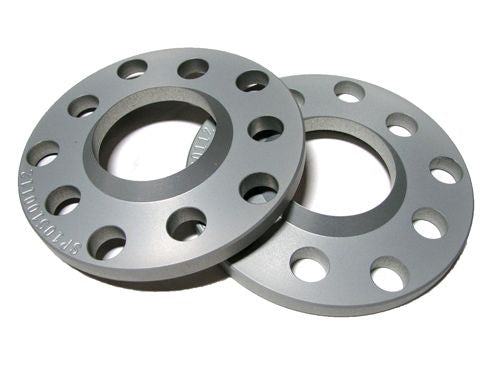
Billet Hub Centric Wheel Spacers Audi
Original price
$89.95
Original price
$89.95
-
Original price
$89.95
Original price
$89.95
Current price
$59.95
$59.95
-
$59.95
Current price
$59.95
Hub centric billet spacers sold in pairs. 6061 T6 billet aluminum. 10mm thickness option. CNC machined. Dual bolt pattern. Fit Audi or VW 5 lug 112...
View full details
Original price
$89.95
Original price
$89.95
-
Original price
$89.95
Original price
$89.95
Current price
$59.95
$59.95
-
$59.95
Current price
$59.95
Save $30.00
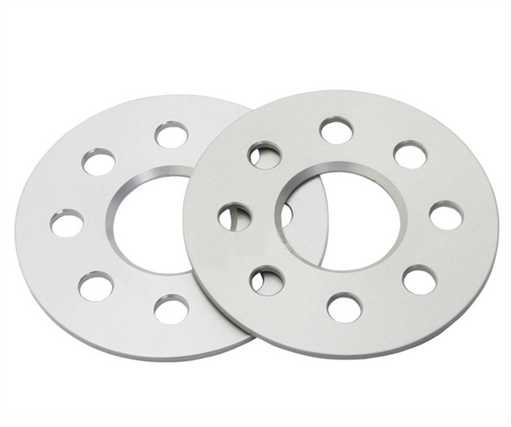
Billet Hub Centric Wheel Spacers 4x100 5mm 57.1mm
Original price
$69.96
Original price
$39.95
-
Original price
$69.96
Original price
$69.96
$29.95
-
$39.95
$29.95
-
$39.95
Current price
$29.95
Fitment and specs Bolt pattern: 4x100 Thickness: 5mm Center bore: 57.1mm, hub centric design Billet construction Sold in pairs Wipe the hub mati...
View full details
Original price
$69.96
Original price
$39.95
-
Original price
$69.96
Original price
$69.96
$29.95
-
$39.95
$29.95
-
$39.95
Current price
$29.95
Save up to $40.01
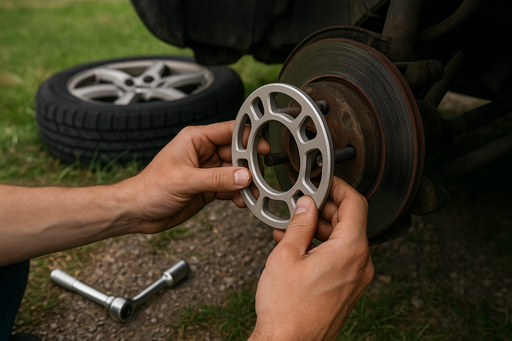
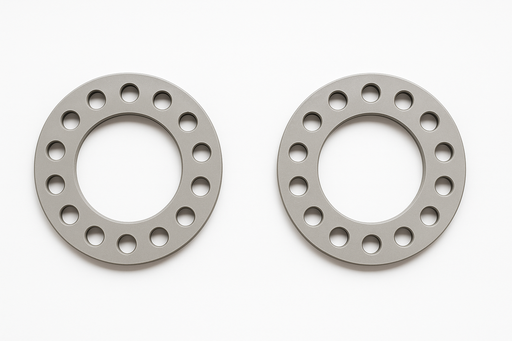
8 Lug 7/32" Thick Spacer Dual Pattern (Pair)
Original price
$25.99
Original price
$25.99
-
Original price
$25.99
Original price
$25.99
Current price
$16.99
$16.99
-
$16.99
Current price
$16.99
Light aluminum build. They are 7/32" thick. Fit 8 lug standard 6 1/2" and 8x170 lug bolt pattern. Please check the thickness of spacers and make...
View full details
Original price
$25.99
Original price
$25.99
-
Original price
$25.99
Original price
$25.99
Current price
$16.99
$16.99
-
$16.99
Current price
$16.99
Save $9.00
8x6.5/170 Wheel Spacers 7/32" Thick (Pair)
Original price
$24.99
Original price
$24.99
-
Original price
$24.99
Original price
$24.99
Current price
$14.99
$14.99
-
$14.99
Current price
$14.99
Light aluminum build. They are 7/32" thick. Fit 8x6.5 & 8x170 lug bolt pattern. Please check the thickness of spacers and make sure your lug...
View full details
Original price
$24.99
Original price
$24.99
-
Original price
$24.99
Original price
$24.99
Current price
$14.99
$14.99
-
$14.99
Current price
$14.99
Save $10.00
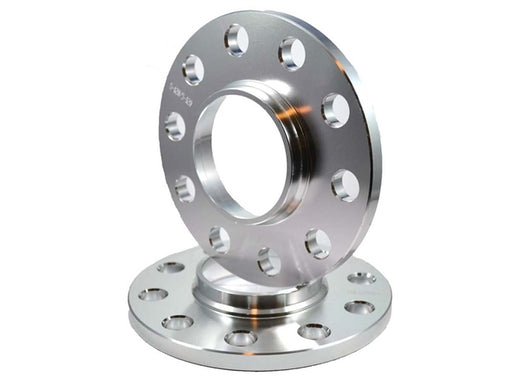
Billet Hub Centric Wheel Spacers 4 Lug 100mm 57.1mm Lip (Pair)
Original price
$89.95
Original price
$49.95
-
Original price
$89.95
Original price
$89.95
$44.95
-
$49.95
$44.95
-
$49.95
Current price
$44.95
Fitment and specs Bolt pattern: 4 lug 100mm (4x100) Hub centric design with a 57.1mm lip Machined billet construction Sold as a pair (2 spacers) ...
View full details
Original price
$89.95
Original price
$49.95
-
Original price
$89.95
Original price
$89.95
$44.95
-
$49.95
$44.95
-
$49.95
Current price
$44.95
Save up to $45.00
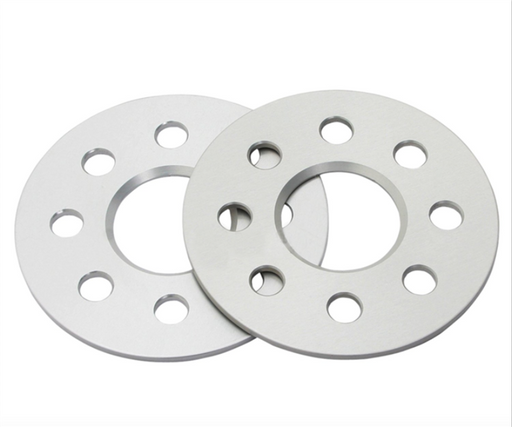
Billet Hub Centric Wheel Spacers 4 Lug 100mm Flat 57.1mm (Pair)
Original price
$89.95
Original price
$34.95
-
Original price
$89.95
Original price
$89.95
$29.95
-
$34.95
$29.95
-
$34.95
Current price
$29.95
Fitment and specs Bolt pattern: 4x100 (4 lug) Hub bore: 57.1mm, hub centric fit Flat spacer design Machined billet construction Sold as a pair T...
View full details
Original price
$89.95
Original price
$34.95
-
Original price
$89.95
Original price
$89.95
$29.95
-
$34.95
$29.95
-
$34.95
Current price
$29.95
Save up to $60.00
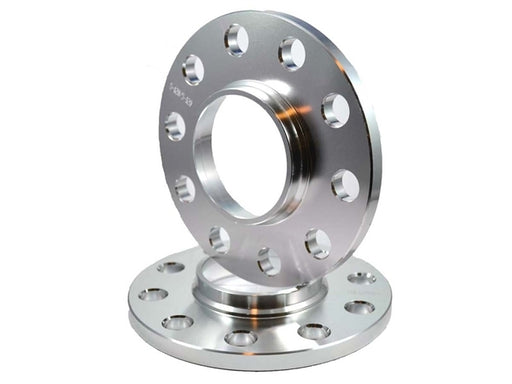
Billet Hub Centric Wheel Spacers 5x100/5x112 Audi 20mm (Pair)
Original price
$89.95
Original price
$89.95
-
Original price
$89.95
Original price
$89.95
Current price
$59.95
$59.95
-
$59.95
Current price
$59.95
Fitment and specs Bolt patterns: 5x100 and 5x112 (Audi 5-lug) Thickness: 20mm per spacer Hub centric design for a centered, true-running fit Mach...
View full details
Original price
$89.95
Original price
$89.95
-
Original price
$89.95
Original price
$89.95
Current price
$59.95
$59.95
-
$59.95
Current price
$59.95
Save $30.00

Billet Hub Centric Wheel Spacers 4 Lug 100mm Flat 56.1mm (Pair) - 8mm Thick (Default)
Original price
$89.95
Original price
$89.95
-
Original price
$89.95
Original price
$89.95
Current price
$29.95
$29.95
-
$29.95
Current price
$29.95
Fitment and specs Bolt pattern: 4 lug 100mm (4x100) Thickness: 8mm, flat design Hub centric with a 56.1mm bore Machined billet construction Sold ...
View full details
Original price
$89.95
Original price
$89.95
-
Original price
$89.95
Original price
$89.95
Current price
$29.95
$29.95
-
$29.95
Current price
$29.95
Save $60.00
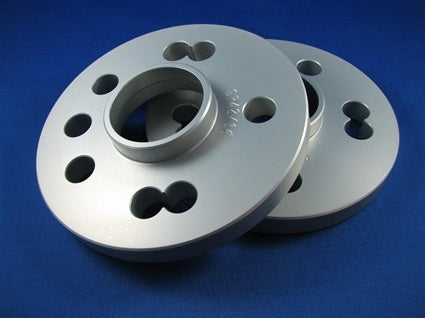
Billet Hub Centric Wheel Spacers VW 16mm
Original price
$89.95
Original price
$89.95
-
Original price
$89.95
Original price
$89.95
Current price
$62.95
$62.95
-
$62.95
Current price
$62.95
Hub centric billet spacers sold in pairs. 6061 T6 billet aluminum. 16mm thickness option. CNC machined. Dual bolt pattern with 57.1mm bore. Fit VW ...
View full details
Original price
$89.95
Original price
$89.95
-
Original price
$89.95
Original price
$89.95
Current price
$62.95
$62.95
-
$62.95
Current price
$62.95
Save $27.00
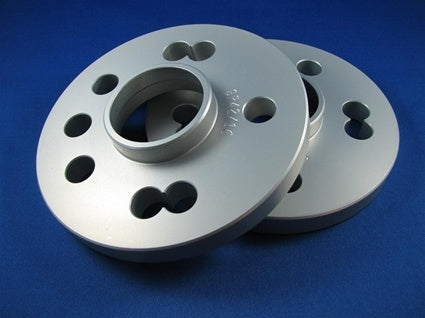
Billet Hub Centric Wheel Spacers BMW VW 20mm (Pair)
Original price
$89.95
Original price
$89.95
-
Original price
$89.95
Original price
$89.95
Current price
$52.95
$52.95
-
$52.95
Current price
$52.95
Hub centric billet spacers sold in pairs. 6061 T6 billet aluminum. 20mm. CNC machined. Dual 4x100 and 5x100 pattern. Fits BMW and VW 4 lug 100mm bo...
View full details
Original price
$89.95
Original price
$89.95
-
Original price
$89.95
Original price
$89.95
Current price
$52.95
$52.95
-
$52.95
Current price
$52.95
Save $37.00
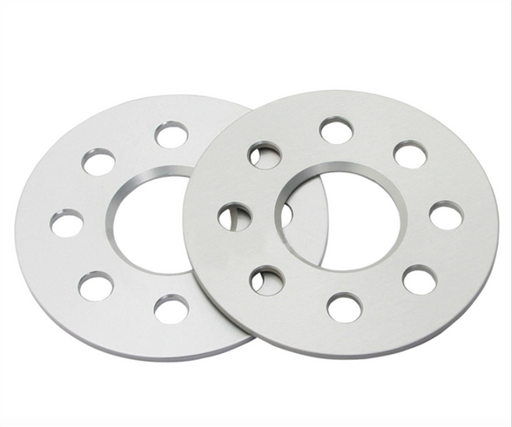
Billet Hub Centric Wheel Spacers BMW 74.1
Original price
$89.95
Original price
$89.95
-
Original price
$89.95
Original price
$89.95
Current price
$54.95
$54.95
-
$54.95
Current price
$54.95
Hub centric billet spacers sold in pairs. 6061 T6 billet aluminum. 10mm thick. CNC machined. Fit BMW 5 lug 120mm bolt pattern (they will not fit ce...
View full details
Original price
$89.95
Original price
$89.95
-
Original price
$89.95
Original price
$89.95
Current price
$54.95
$54.95
-
$54.95
Current price
$54.95
Save $35.00
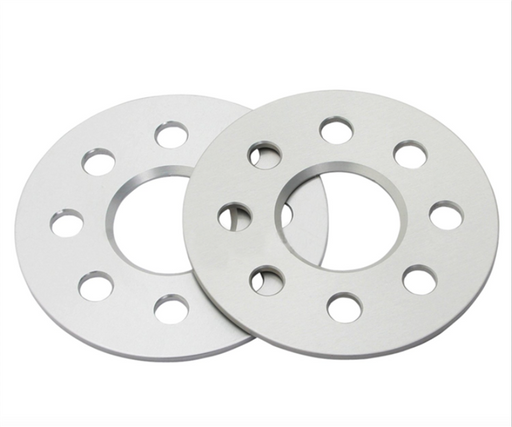
Billet Hub Centric Wheel Spacers BMW 10mm
Original price
$89.95
Original price
$89.95
-
Original price
$89.95
Original price
$89.95
Current price
$52.95
$52.95
-
$52.95
Current price
$52.95
Hub centric billet spacers sold in pairs. 6061 T6 billet aluminum. 10mm thickness option. CNC machined. Fit BMW 5 lug 120mm bolt pattern (they will...
View full details
Original price
$89.95
Original price
$89.95
-
Original price
$89.95
Original price
$89.95
Current price
$52.95
$52.95
-
$52.95
Current price
$52.95
Save $37.00
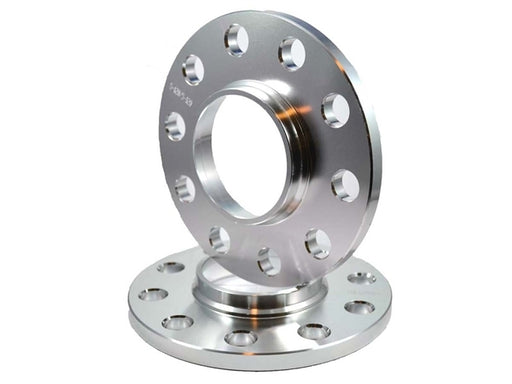
Billet Hub Centric Wheel Spacers 5x112 Audi 20mm (Pair)
Original price
$69.95
Original price
$69.95
-
Original price
$69.95
Original price
$69.95
Current price
$49.95
$49.95
-
$49.95
Current price
$49.95
Hub centric billet spacers sold in pairs. 6061 T6 billet aluminum. CNC machined. Fit Audi 5 lug 112mm bolt pattern (it is not for TT, which is 5 lu...
View full details
Original price
$69.95
Original price
$69.95
-
Original price
$69.95
Original price
$69.95
Current price
$49.95
$49.95
-
$49.95
Current price
$49.95
Save $20.00
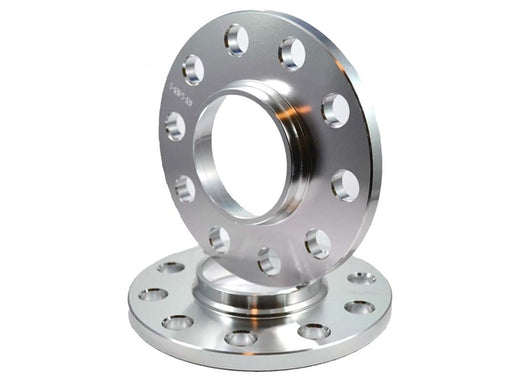
Billet Hub Centric Wheel Spacers 4x100 Lip 57.1mm
Original price
$79.95
Original price
$49.95
-
Original price
$79.95
Original price
$79.95
$44.95
-
$49.95
$44.95
-
$49.95
Current price
$44.95
Hub centric billet spacers sold in pairs. 6061 T6 billet aluminum. 5mm and 8mm thickness option. CNC machined. Fit 4 lug 100mm bolt pattern with 57...
View full details
Original price
$79.95
Original price
$49.95
-
Original price
$79.95
Original price
$79.95
$44.95
-
$49.95
$44.95
-
$49.95
Current price
$44.95
Save up to $35.00